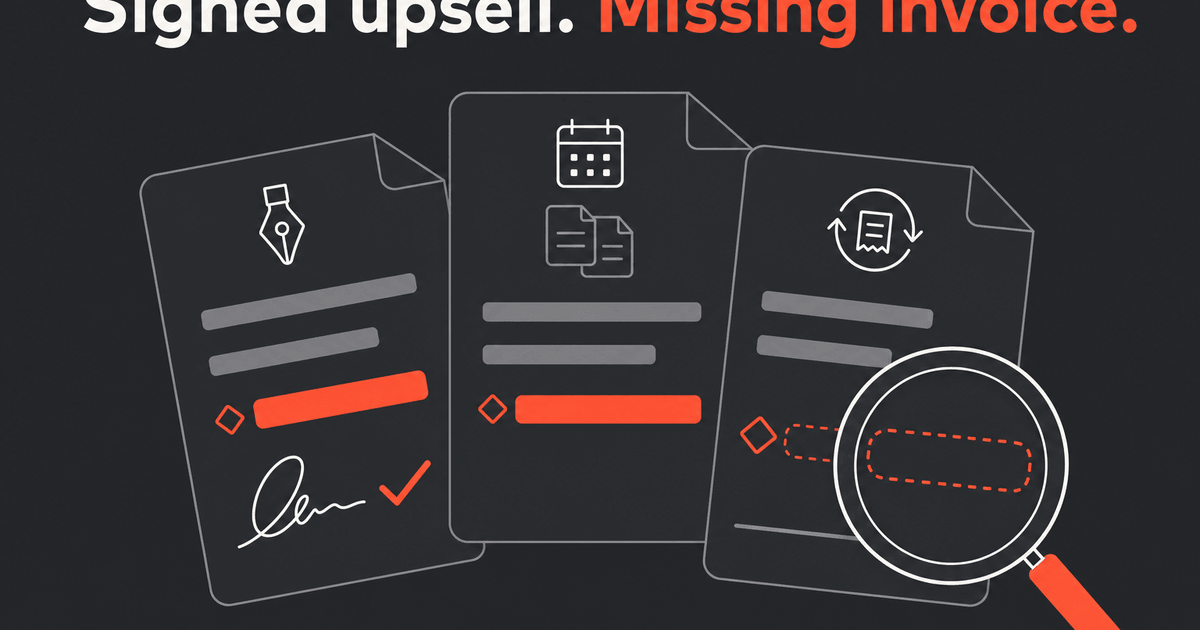
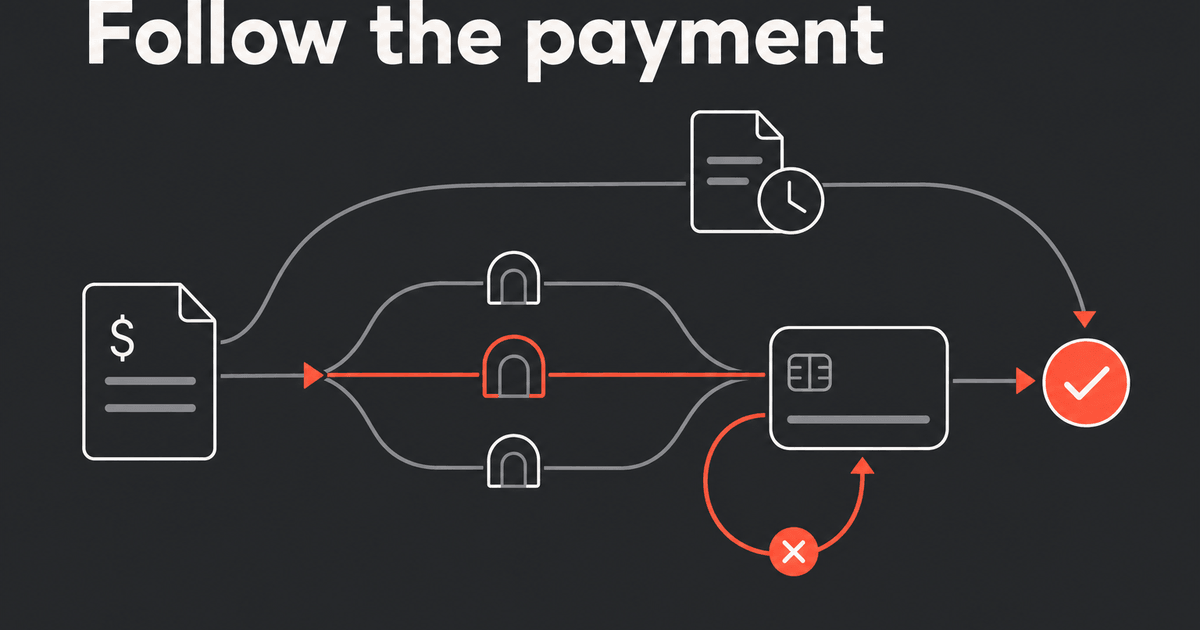
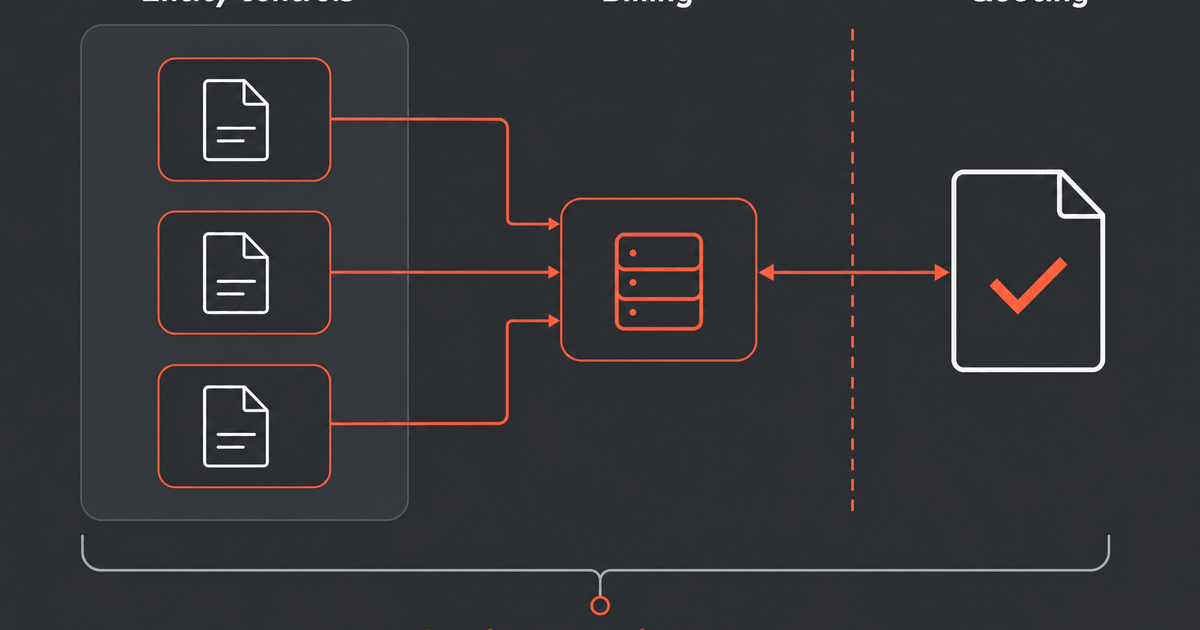
Best Subscription Billing Platform for SaaS Companies

How healthy is your quote-to-cash?
12 questions on pricing, renewals, billing and reporting. Takes two minutes.
Take the assessmentBunny is our recommendation for B2B SaaS companies that need negotiated quoting, subscription billing and renewals in one platform. Its support for both self-service and sales-led revenue makes it particularly relevant when customers start on a public plan and later move to a custom contract. For a self-service business already built around Stripe, Stripe Billing may be the better fit. (bunny.com)
That distinction is the point of this comparison. We publish this on Bunny’s website, so we aren’t pretending to be a neutral review directory. The recommendations below are our assessment of fit based on vendors’ published capabilities, not a hands-on performance benchmark.
Start with the customer relationship you need to manage. Then choose the software.
What’s the best subscription billing platform for saas companies?
For sales-led or hybrid B2B SaaS, we would start with Bunny because its quoting supports customer-specific prices, ramps, approvals and renewal quotes against the subscription being billed. For Stripe-centered self-service, start with Stripe Billing; for a merchant-of-record service that also handles payments and sales tax on transactions it processes, consider Paddle. Those are different buying decisions, not interchangeable versions of the same product. (bunny.com)
A useful evaluation question is: what must happen when this customer changes their mind?
Imagine a customer starts monthly, switches to an annual commitment, adds seats halfway through the term and negotiates a different usage rate at renewal. Ask each platform to carry that relationship through without losing the commercial history.
Don’t start with the prettiest checkout. Start with the change you least want finance to calculate in a spreadsheet.
Subscription billing platforms compared
These are recommended starting points, not claims that each vendor serves only one use case. “Check before buying” identifies what to prove in your evaluation, not a confirmed product limitation.
| Platform | Our recommended starting point | Relevant published capabilities | Check before buying |
|---|---|---|---|
| Bunny | B2B SaaS combining negotiated sales and self-service | CPQ, recurring and usage billing, approvals, renewals and SaaS analytics | Which plans and add-ons cover your full workflow. (bunny.com) |
| Stripe Billing | Self-service SaaS using Stripe | Subscriptions, hybrid pricing, invoicing and payment recovery | How your sales approvals and contract changes will operate. (stripe.com) |
| Chargebee | Teams evaluating billing across multiple gateways and pricing models | Subscription management, usage billing, CPQ and revenue recognition offerings | Required editions, integrations and separately packaged products. (chargebee.com) |
| Zuora | Enterprise monetization programs | Recurring, usage and hybrid billing, pricing configuration and global payment connectivity | Implementation scope and ownership across your systems. (zuora.com) |
| Recurly | Subscriber businesses prioritizing retention and recovery | Subscription management, payment recovery and churn-management tools | Your negotiated B2B contract lifecycle. (recurly.com) |
| Maxio | Finance-led B2B SaaS evaluations | Subscription and usage billing, revenue recognition and financial reporting | Which components and accounting integrations your rollout needs. (maxio.com) |
| Paddle | Software businesses seeking a merchant of record | Subscription billing, payments, sales tax handling and fraud protection | Merchant-of-record terms, payout arrangements and procurement fit. (paddle.com) |
1. Bunny: for negotiated B2B SaaS revenue
Bunny’s strongest case is the connection between selling and billing. Its CPQ applies custom prices and discounts to an individual quote without requiring a customer-specific product. It also supports multi-year ramps, approval workflows, and quotes for renewals and upsells with proration. (bunny.com)
Bunny supports recurring and usage-based charges in the same subscription, including committed-spend and overage scenarios. Usage prices can be negotiated on the quote, and renewal quotes can include both recurring and usage charges. That’s the combination we would prioritize when enterprise contracts mix a platform fee with consumption. (bunny.com)
Be precise about packaging. Foundation is free; PLG costs 0.6% of PLG revenue; SLG costs $150 per user per month. Advanced Billing adds 0.2% of combined PLG and SLG revenue for capabilities including multiple legal entities, multiple currencies and revenue recognition. Revenue recognition is therefore not included at no additional cost in every plan. (bunny.com)
Choose Bunny when the evaluation centers on keeping negotiated terms connected to subscriptions and renewals. Don’t choose it solely because a feature list is long. If all you need is a fixed-price subscription checkout, evaluate that narrower requirement first.
2. Stripe Billing: for Stripe-centered self-service
Stripe Billing deserves a place on the shortlist for product-led SaaS. It supports flat-rate, per-seat, tiered and hybrid pricing, alongside invoicing and automated payment recovery. Our recommendation is to start here when Stripe already anchors your payment flow and your team wants to build around that infrastructure. (stripe.com)
It would be inaccurate to describe Stripe as incapable of negotiated or changing subscriptions. Stripe offers quotes that can become subscriptions, and subscription schedules can define phases with different prices, quantities and discounts. (docs.stripe.com)
The question is operational: who configures those objects, approves exceptions and maintains the connection to the contract?
For an engineering-led team comfortable owning that workflow, Stripe Billing may be a better fit than Bunny. For a sales-led team, ask a rep and a finance operator to complete an amendment themselves before deciding. Test the process, not just the API’s ability to represent the result.
3. Chargebee: for a broad billing and monetization evaluation
Chargebee supports subscription changes, proration, renewals, usage-based models and enterprise contract terms. Its published offering also includes CPQ and revenue recognition. It is a credible option for businesses evaluating several pricing models rather than just recurring card charges. (chargebee.com)
Chargebee’s pricing page describes connectivity to multiple payment gateways and separately presents Billing, CPQ, RevRec and Growth offerings. That makes it worth evaluating when gateway choice and a broader revenue stack are central requirements. It also means you should cost the actual combination you intend to deploy. (chargebee.com)
Our advice: put Chargebee ahead of Bunny if your gateway and integration requirements prove a better match in testing. Don’t dismiss it as a tool that cannot handle sales-led revenue. Instead, compare the exact quote-to-amendment workflow, including the products and editions needed to deliver it.
4. Zuora: for enterprise monetization programs
Zuora positions its billing platform around enterprise recurring, usage-based and hybrid monetization. Published capabilities include configurable pricing, multiple currencies and payment-gateway connectivity. Its usage offering covers models such as prepaid consumption, tiered pricing, overages and commitments. (zuora.com)
We would prioritize Zuora when the buying decision spans a broad enterprise monetization program, rather than one SaaS team’s subscription workflow. That is a fit judgment, not a claim that larger always means better.
Ask for a scoped implementation covering catalog design, billing runs, integrations, data migration and day-to-day administration. Give each workstream a named owner.
Zuora may be the better choice when that broader scope is necessary and your organization is ready to operate it. For a narrower requirement, compare the proposed scope with a more focused rollout. Don’t buy an enterprise transformation because you need to stop copying signed quotes into invoices.
5. Recurly: for retention and payment recovery
Recurly is worth prioritizing when the problem you most want to solve is keeping subscribers active and recovering failed payments. Its published recovery capabilities include intelligent retries, account updating, expired-card management and backup payment methods. (recurly.com)
Its dunning analytics let teams compare campaigns and examine invoice recovery, recovered revenue and subscription outcomes. That gives a retention-focused evaluation something concrete to test beyond whether reminder emails exist. (docs.recurly.com)
Choose Recurly over Bunny if subscriber retention and recovery are the center of your project and its workflows prove the better match. If negotiated contracts dominate, make those contracts the demo: staged prices, amendments, approvals and renewal terms.
Neither a polished consumer subscription flow nor an enterprise quote is a substitute for testing the other.
6. Maxio: for finance-led B2B SaaS operations
Maxio combines subscription and contract billing with usage billing, revenue recognition and reporting. It also publishes capabilities for custom contracts, self-service billing portals, recurring changes and collections. Our assessment is that it belongs high on the shortlist when finance is leading the project. (maxio.com)
Make the evaluation about outputs. Give the vendor a contract, an amendment and a credit, then ask finance to inspect the resulting billing records, schedules and reports.
Maxio may be the better fit when its financial workflows align more closely with your accounting requirements. Bunny may be the stronger candidate when your first priority is the commercial workflow from quote through renewal. Don’t settle that comparison with department labels; have sales and finance run the same deal through both.
7. Paddle: when you want a merchant of record
Paddle is a different kind of option. It operates as a merchant of record, combining subscription billing with payment processing, fraud protection and sales tax handling for transactions processed through its service. Its published billing offering includes subscription changes, proration and failed-payment recovery. (paddle.com)
Our recommendation is to favor Paddle when taking on less payment and transaction-tax administration matters more than selecting a standalone billing layer.
Before buying, review the merchant-of-record arrangement against your customer contracts, procurement process, supported markets and payout requirements. Get the scope confirmed for your business rather than interpreting “tax compliance” as a promise covering every tax obligation your company has.
If merchant of record is a hard requirement, Paddle is the better starting point in this comparison. Evaluate that operating model before comparing individual billing features.
Which subscription billing service is best for recurring revenue models?
Our recommendation is Bunny for negotiated B2B recurring revenue, Stripe Billing for Stripe-centered self-service, and Recurly when retention and payment recovery dominate. Those recommendations follow the vendors’ documented product capabilities, not a claim that one platform wins every recurring-revenue scenario. (bunny.com)
For usage-heavy revenue, don’t award the decision based on the phrase “usage-based billing.” Bunny documents mixed recurring and usage contracts; Chargebee documents usage ingestion and rating; Zuora documents consumption models including commitments and prepaid usage. They belong in different evaluations depending on the actual workflow. (bunny.com)
Bring representative usage data. Require an explainable path from event to charge to invoice. Then test corrections.
What to look for when choosing a subscription billing platform
Use the following as acceptance criteria, not a feature-counting exercise.
1. Pricing that survives a real contract
Provide three examples: your standard plan, your largest negotiated deal and your most awkward renewal.
Ask each vendor to model them without changing the commercial terms to fit the software. Include billing frequency, service dates, discounts, minimum commitments and scheduled price changes.
2. Amendments that preserve the relationship
Run an expansion halfway through a prepaid term. Then run a downgrade at renewal.
Inspect the credit, next invoice and subscription history. Require a clear explanation of how the reporting classifies each change. Don’t accept a plausible total without checking its components.
3. Usage that can be reconciled
For metered products, test duplicate events, late events, corrections, allowance resets and negotiated overage rates.
Decide which system owns measurement, which performs rating and who investigates a customer dispute. Ask for event limits and processing commitments in writing.
4. Collections that match how customers pay
Test a failed card payment and an overdue invoice separately. Specify retries, reminders, escalation, grace periods and when access should change.
Have customer success approve the customer-facing experience. A collection policy is not just a finance setting.
5. Finance outputs your team can use
Ask finance to define expected outputs before the demo: invoice detail, credits, deferred schedules, reconciliation files and audit history.
Require the vendor to explain which outputs are native, which require another module and which your team must build. Have your accountants validate the accounting treatment.
6. Integration ownership and an exit plan
For every integration, ask what syncs, in which direction and what happens after a failure. Test a correction, not just the initial record creation.
Also request a sample export. Can you recover customers, subscriptions, invoices and history in a usable form? Make portability part of the purchase, not a future negotiation.
Compare total cost, not just the headline fee
Build a three-year model using your own revenue, transaction volume, operator seats and expected growth. Request a written quote covering:
- Platform fees, minimums and volume charges.
- Payment processing and currency conversion.
- CPQ, revenue recognition and other required modules.
- Migration, implementation and integration work.
- Support, administration and ongoing engineering.
Bunny’s published pricing separates PLG revenue charges, SLG user charges and Advanced Billing. Chargebee separately presents its billing, CPQ and revenue recognition offerings. Paddle’s pricing covers a broader merchant-of-record service. Treat those as different scopes before comparing percentages. (bunny.com)
The cheapest quoted fee should win only if the complete workflow also passes.
The demo that should decide the purchase
Give every finalist the same hypothetical customer:
An annual subscription billed quarterly, a discounted first period, included usage and overages. Halfway through, the customer adds seats. One payment fails. At renewal, the customer negotiates a different commitment.
Require the vendor to show the original agreement, amendment, invoices, recovery process, renewal and reporting outputs. Record every manual intervention and identify who would perform it in production.
Then ask your own operators to repeat the important steps.
If your business combines self-service with negotiated B2B contracts, Bunny deserves a place in that test because it supports both revenue motions in one system. (bunny.com) But the final decision should come from your contracts and your team’s work, not our ranking.
Choose the platform that can carry the customer relationship forward — not just send the first invoice.

Billing that handles your pricing model
Recurring, usage-based, tiered, banded or hybrid — Bunny bills it without a rebuild, and recognises the revenue automatically.