Usage-Based Billing
Usage-based billing - charging customers based on what they actually consume rather than a fixed seat count - has become the dominant model for infrastructure, API, and AI products. Its appeal is straightforward: customers pay for value received, adoption barriers drop, and revenue scales naturally with customer success.
The operational complexity, however, is significant. Usage data must be collected, aggregated, and rated accurately before it can be billed. Hybrid models - where usage charges sit alongside a base subscription - require billing systems that can handle both simultaneously. Proration, overage calculations, and mid-period plan changes all become harder when consumption is the pricing variable rather than a fixed quantity.
These articles cover the rise of usage-based billing in B2B SaaS, the models companies are adopting, and what it takes to implement it without creating a billing operations problem.
Articles
14 articles on usage-based billing
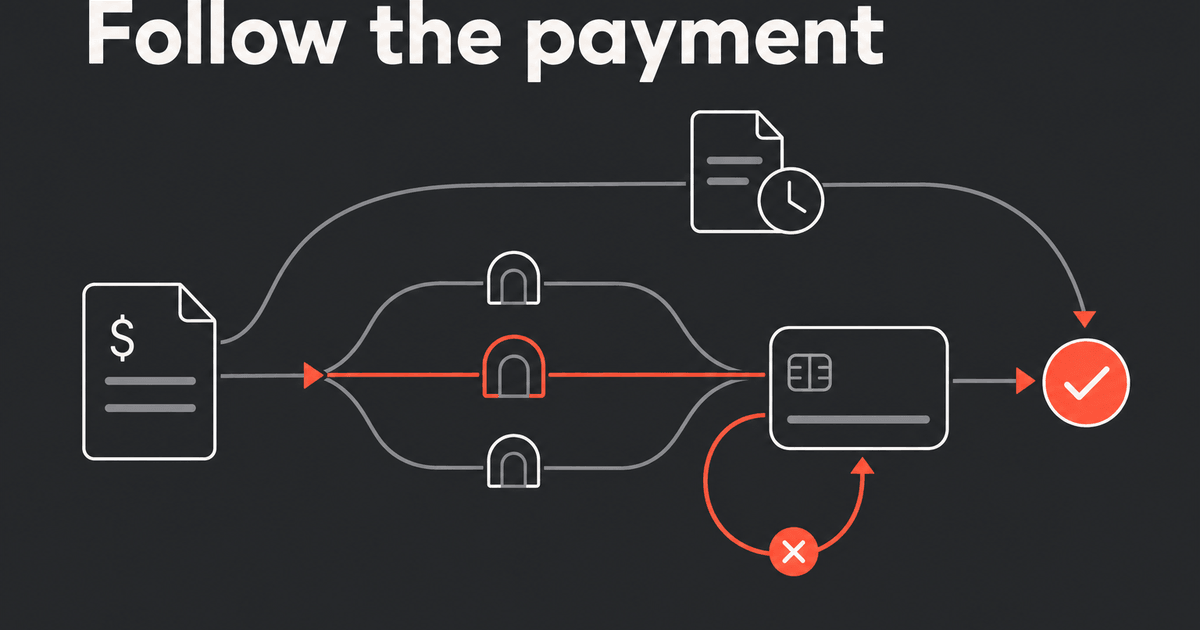
Recurly vs Stripe Billing: Follow the Payment, Not the Feature List
The deciding factor is how your customers pay, not how many billing features each vendor lists. Separate card recovery, payments on terms and gateway...
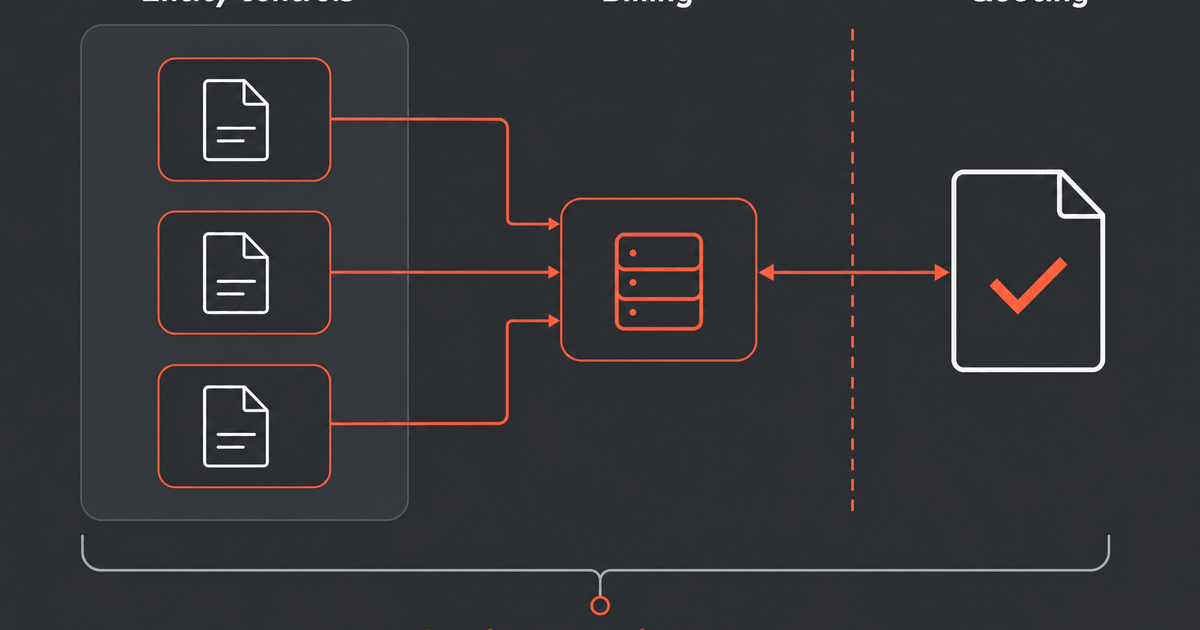
Zuora vs Chargebee: Decide Who Owns Your Billing Architecture
The useful distinction between Zuora and Chargebee is the operating model you need. Separate seller entities from customer hierarchies, identify which quoting components you...
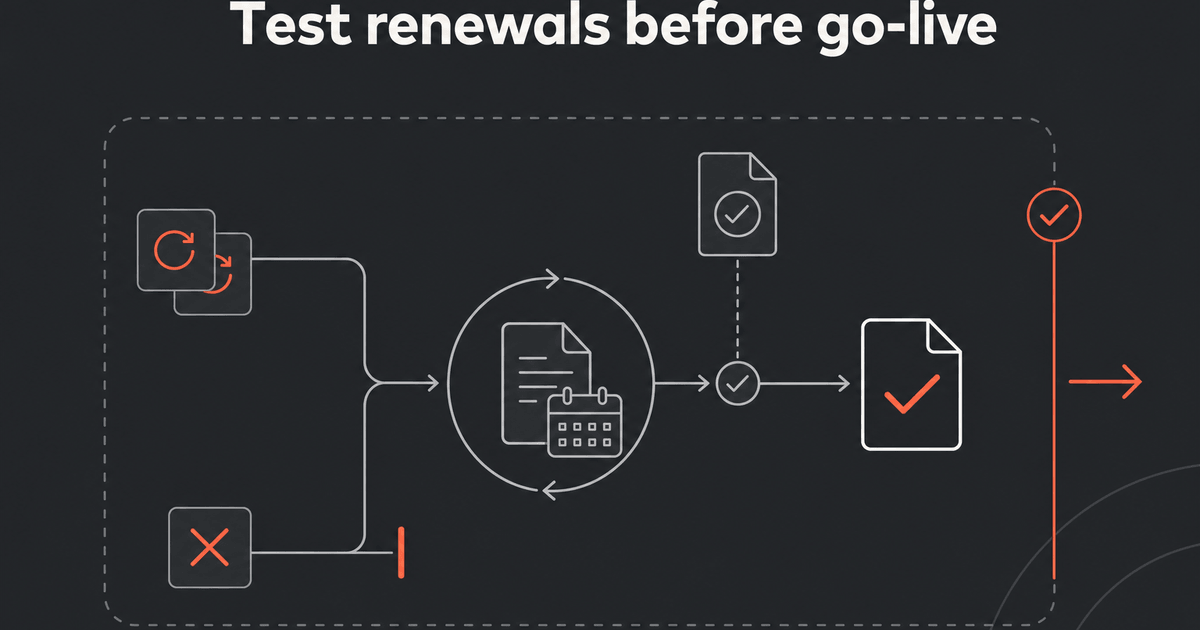
Testing Renewal Automation Before Go-Live: A Recurring Billing Acceptance Checklist
A successful renewal job is not enough. Use this pre-production acceptance plan to prove that the right contract produces the right bill exactly once—and...
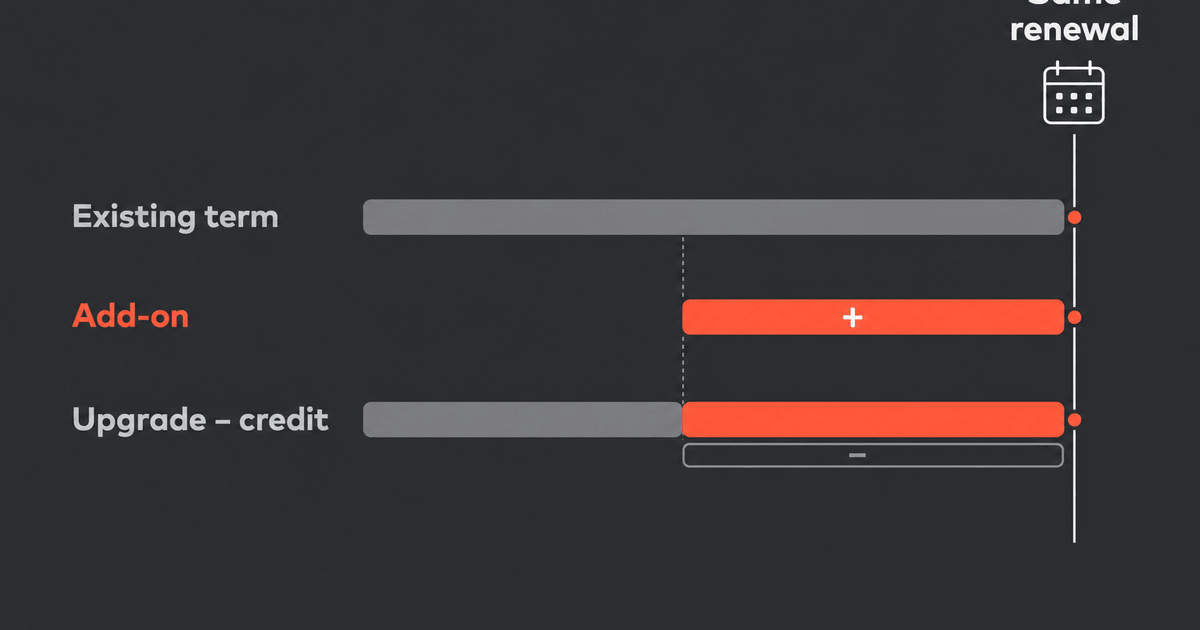
Co-Term Add-ons and Mid-Contract Upgrades Without Resetting Renewal
An add-on needs a start date, not necessarily its own anniversary. Here's how to preserve the existing renewal date, calculate the remaining-term charge, and...
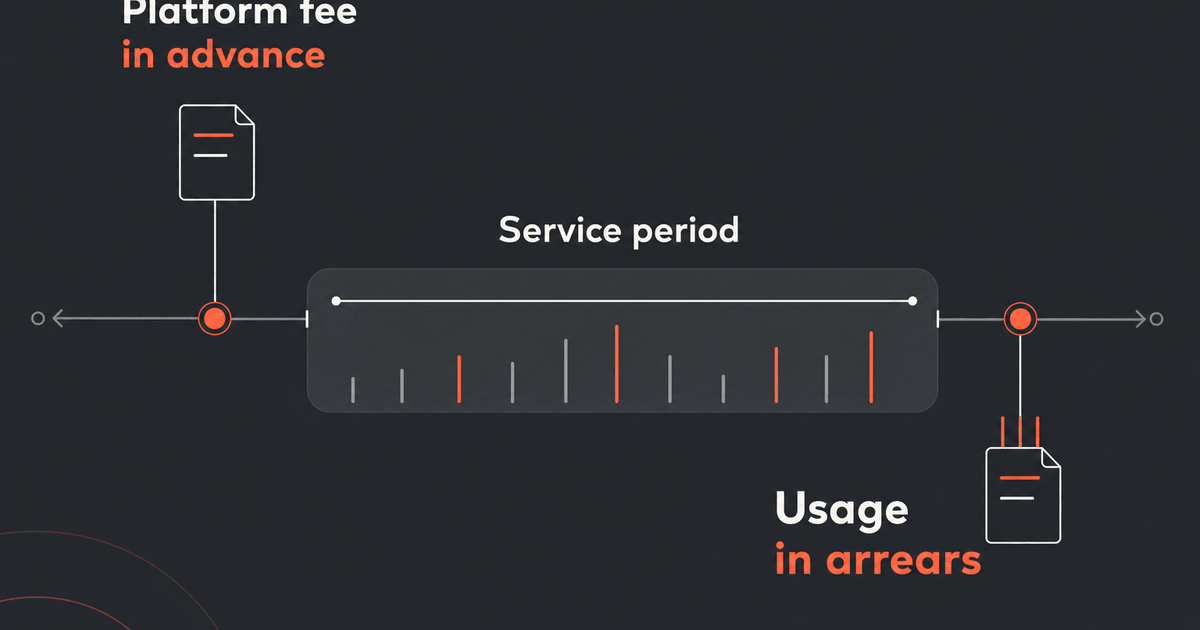
When to Bill Each Part of a Hybrid SaaS Contract
A hybrid SaaS contract does not need one billing rule for everything. Work through platform fees, measured consumption, payment deadlines and revenue timing separately—and...
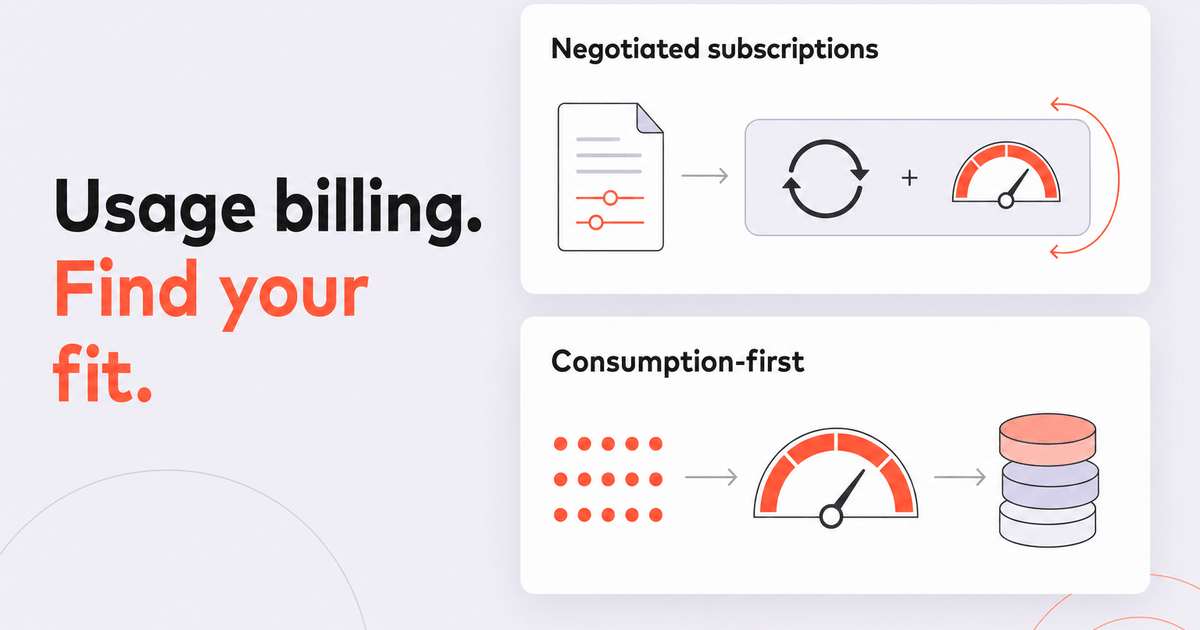
Best Usage-Based Billing Platform for SaaS Companies
The best usage-based billing platform depends on more than counting events. Compare the main options for negotiated B2B contracts, consumption-first products, prepaid credits and...
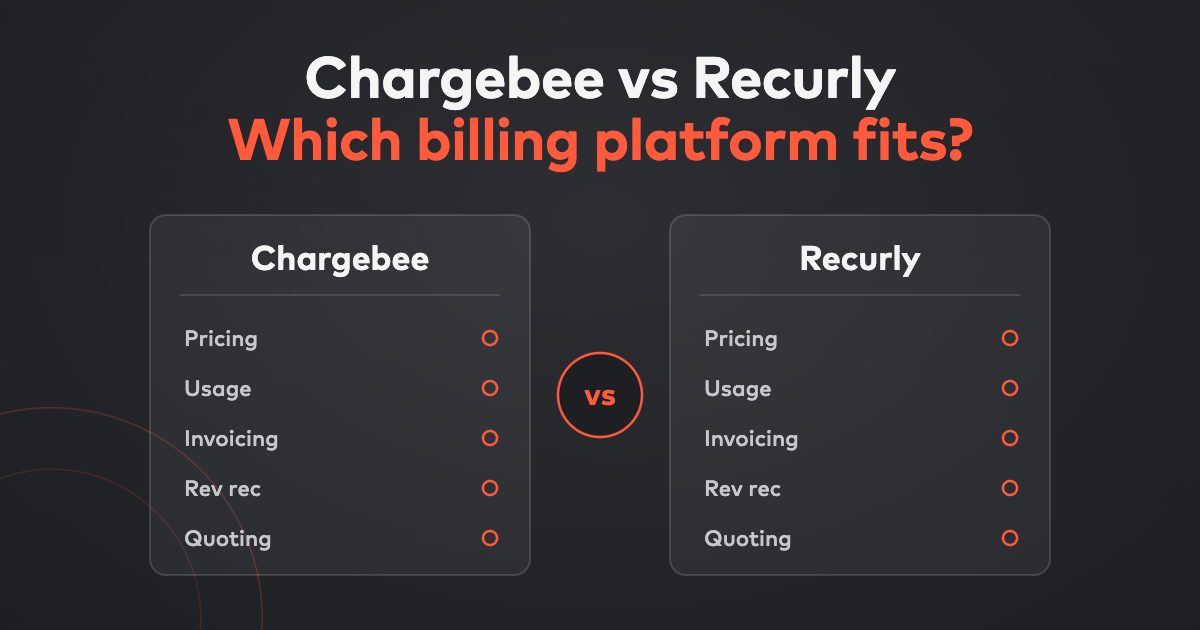
Chargebee vs Recurly: Which Billing Platform Fits?
Chargebee and Recurly are the two best-known subscription billing incumbents. Recurly leans into subscriber retention and payment recovery; Chargebee into breadth, with native CPQ...
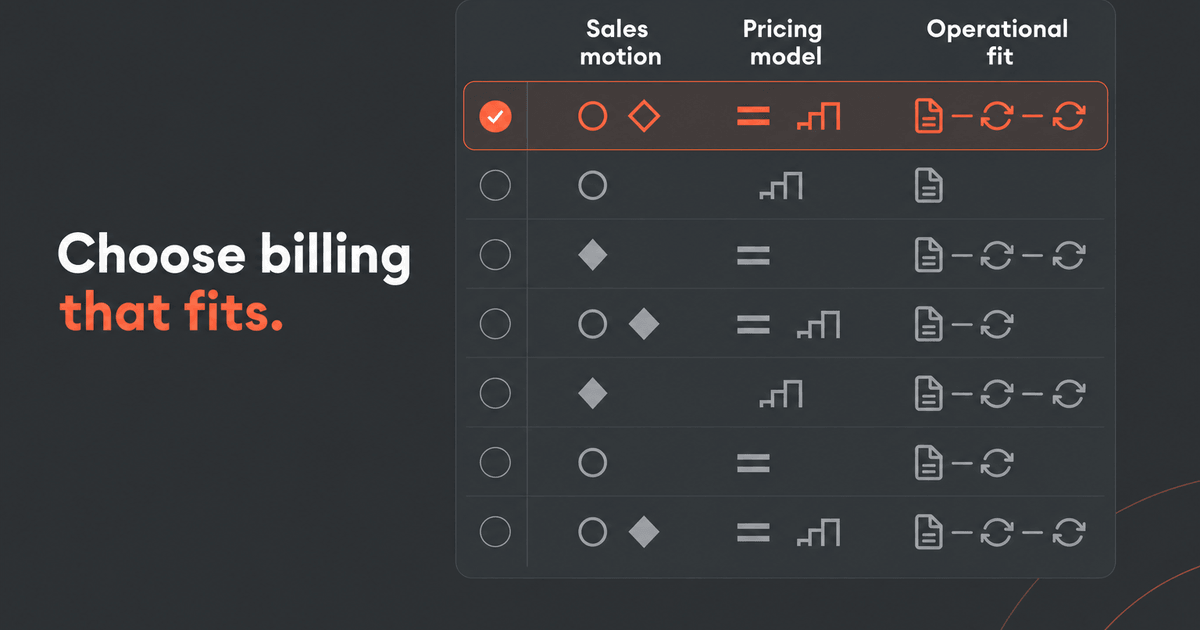
Best Subscription Billing Platform for SaaS Companies
The best subscription billing platform depends on what happens before and after the invoice. Here's how the main options compare for self-service subscriptions, negotiated...
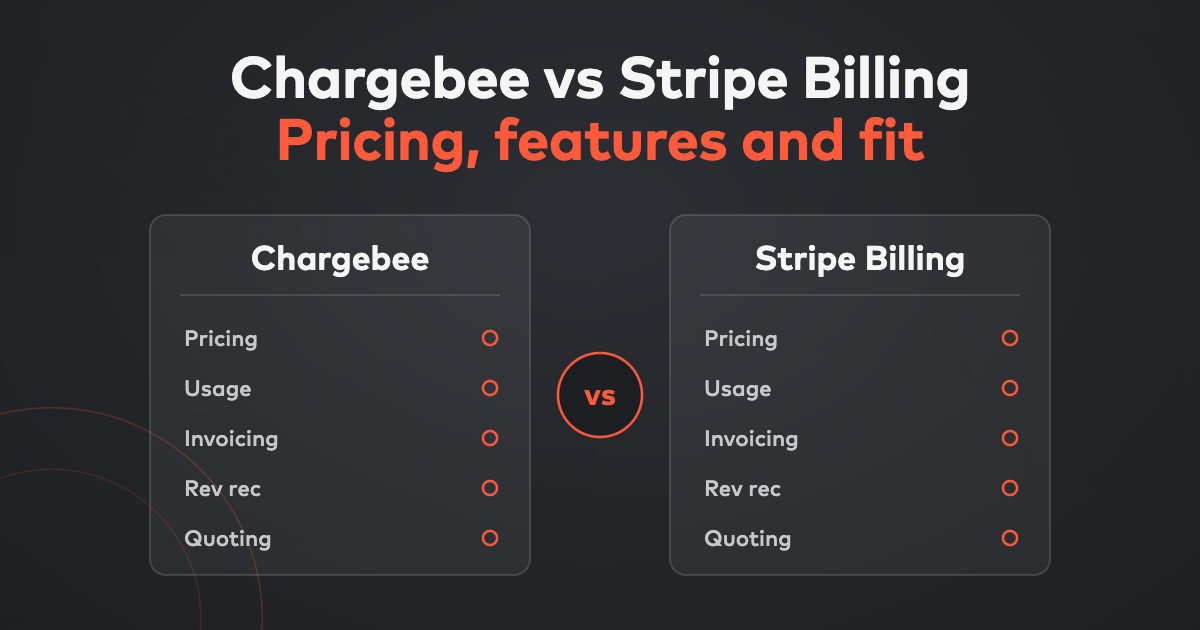
Chargebee vs Stripe Billing: Pricing, Features and Fit
Stripe Billing is the natural choice for a self-serve product already running on Stripe Payments. Chargebee is the broader subscription suite, with gateway choice,...
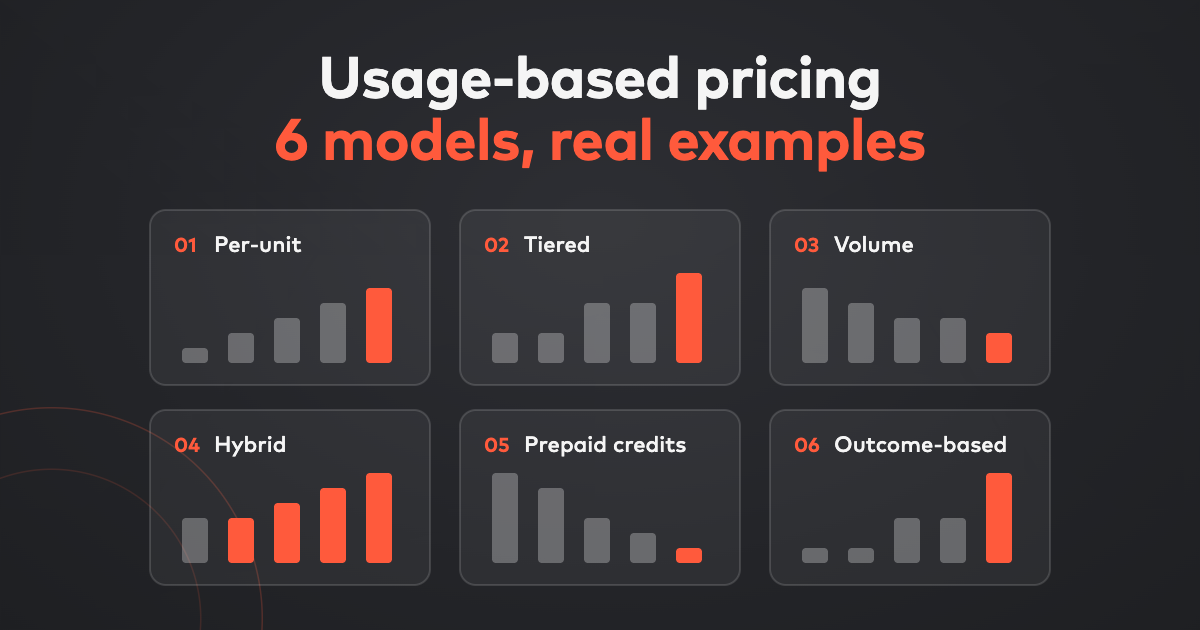
Usage-Based Pricing: 6 Models With Real SaaS Examples
Usage-based pricing charges customers for what they consume rather than a fixed fee. There are six common models, from simple per-unit rates to outcome-based...

From usage to outcomes: how AI agents are changing what you pay for
Usage-based pricing is now the default in SaaS. But AI agents are pushing the model further — toward charging not for what you consume,...
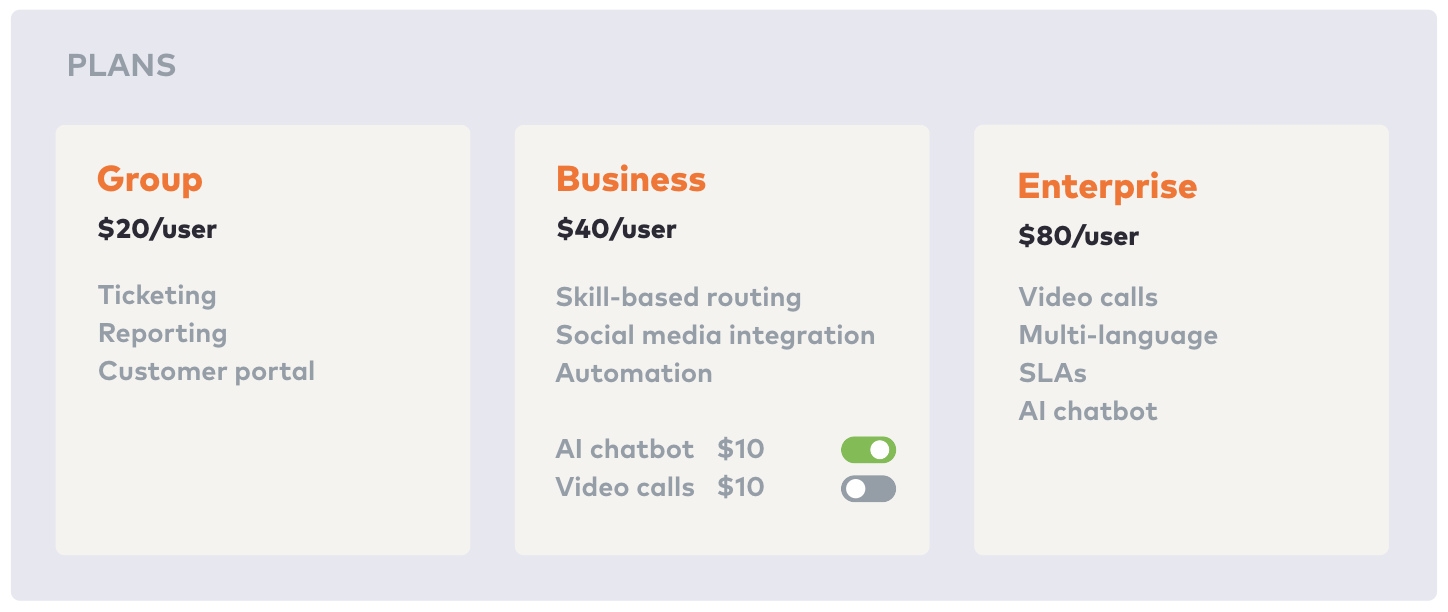
Micro add-ons: the quiet path to expansion revenue
There's revenue sitting between your pricing tiers that most SaaS companies never collect. Micro add-ons are how you go get it.

The rise of usage-based billing in B2B SaaS
Three out of five companies now incorporate usage-based pricing. Here's what's driving the shift, how to select the right consumption metrics, and what implementation...

The rise of usage-based billing in SaaS companies
Usage-based billing - charging customers according to actual consumption - is gaining significant traction. Here's what's driving it and what it means for SaaS...

Usage-based billing without the operational overhead
Bunny handles metered billing, hybrid models, and mid-period changes - so your pricing flexibility doesn't create a billing headache.