A Stripe Alternative for SaaS Engineers: Evaluate the API Contract

How healthy is your quote-to-cash?
12 questions on pricing, renewals, billing and reporting. Takes two minutes.
Take the assessmentBest Stripe alternative for saas companies with solid API access?
Bunny is our recommended Stripe Billing alternative for B2B SaaS teams that want API access to quoting and subscription operations, not just payment transactions. Bunny exposes its functionality through GraphQL, making it a strong candidate when your application needs to work with the same commercial workflows your operations team uses. The recommendation is conditional: verify the exact mutations, permissions and failure-handling behavior your integration requires before committing. (bunny.com)
This is an engineering evaluation, not another general billing-platform ranking. Our Chargebee vs Stripe Billing comparison covers broader pricing and operational fit; here, the question is what your developers can safely build and maintain. (bunny.com)
Start with operations, not an API-first label
For this evaluation, define solid API access as documented control over required operations, plus a clear way to recover when a request or event fails.
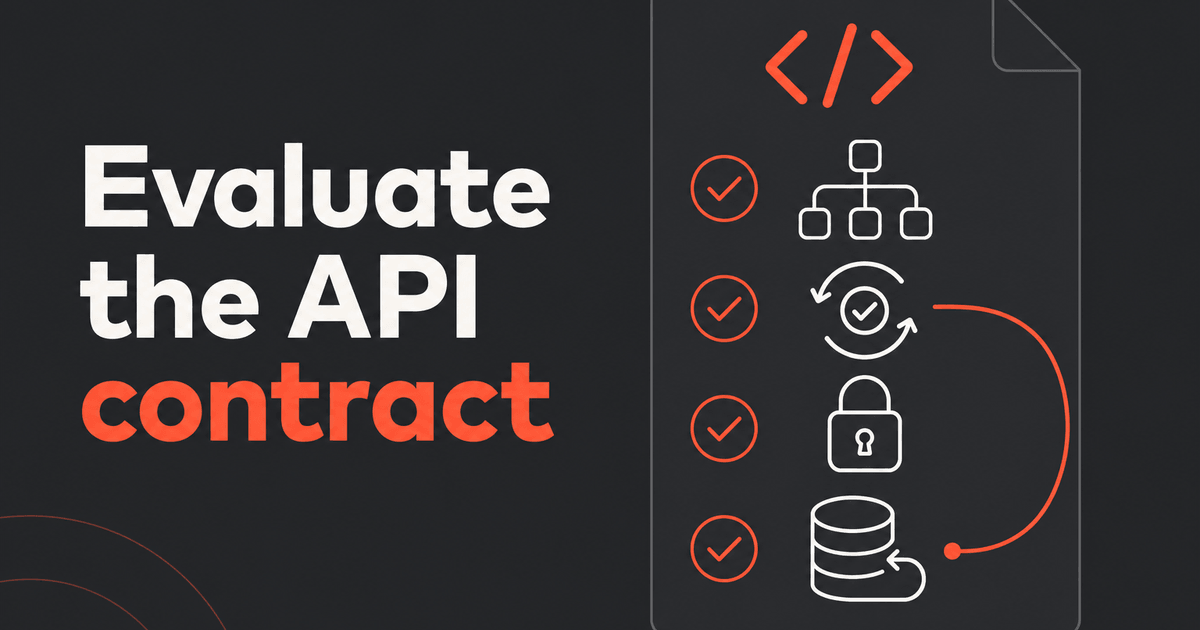
Write an operation inventory before booking demos. For each operation, record the input, expected result, permissions and recovery path. Include:
- Creating an account with your application’s identifier.
- Preparing a negotiated offer through CPQ.
- Reading current subscription terms and scheduled changes.
- Retrieving an invoice and its line items.
- Determining the customer’s current entitlements.
- Extracting records for reconciliation without dashboard exports.
Ask vendors to demonstrate those operations using credentials your application would actually receive. An administrator clicking through the dashboard is not evidence that your service can perform the same action.
For each requirement, distinguish read access, write access and permission to execute the commercial action. Your integration may need to prepare an offer without being allowed to send it.
Which platforms belong on an API-focused shortlist?
Bunny: when developers need access beyond billing transactions
Bunny’s API documentation states that its GraphQL API exposes the operations available through its user interface. It also documents scoped API clients and secret rotation. That combination makes Bunny worth evaluating when engineering needs programmatic access while different services require different permissions. (docs.bunny.com)
Bunny provides Node.js and Ruby SDKs. Direct integrations use OAuth 2.0 access tokens; SDK configuration with client credentials supports automatic token refresh. Check whether the SDK covers your required operations or whether your team will call GraphQL directly. (docs.bunny.com)
Choose Bunny for the breadth of commercial operations you want to automate—not because GraphQL alone proves reliability. Request explicit answers on mutation retries, concurrency, throughput and schema changes for your workload.
You do not necessarily have to replace payment processing. The Bunny integration with Stripe supports collecting card payments on Bunny invoices. Keep that decision separate from choosing the API that manages billing operations. (bunny.com)
Chargebee: when REST is a firm architectural requirement
Chargebee documents a REST API with form-encoded requests, JSON responses, environment-specific keys and paginated results. If your team has standardized on REST and Chargebee covers your required operations, it may be the better fit than adopting a GraphQL integration. (apidocs.chargebee.com)
Its documented idempotency behavior is particularly useful evaluation evidence. Chargebee specifies a 30-minute replay window and excludes estimate APIs from that functionality. Those details let engineers design recovery deliberately instead of assuming all repeated requests behave alike. (apidocs.chargebee.com)
Lago: when deployment control is non-negotiable
Lago is the stronger candidate when running the billing service on your own infrastructure is a requirement. It offers self-hosted deployment as well as managed cloud hosting, and publishes a REST API, OpenAPI specification, SDKs and signed-webhook documentation. (getlago.com)
Evaluate that option against your willingness to operate the service. Do not choose self-hosting merely to obtain API access if you do not want the associated operational responsibility.
Stripe: when the existing integration already does the job
Staying with Stripe is the better decision if your required operations already work and API quality is your only reason for considering a move. Stripe documents idempotent requests, API versioning and webhook handling. Establish a specific gap before paying the engineering cost of replacement. (docs.stripe.com)
Read the failure contract before writing the happy path
The most useful API comparison is often the one made after a connection drops.
What happens when a write succeeds but the response disappears?
Suppose your service requests a subscription change, then times out. Before retrying, how will it determine whether the original request succeeded?
Ask every vendor:
- Which operations support an idempotency key?
- How long is the key retained?
- What happens if the same key arrives with different parameters?
- Are failed responses replayed?
- How can you find the original result after the replay window expires?
These are not interchangeable guarantees. Stripe’s API v1 documentation permits key removal after at least 24 hours; Chargebee documents a 30-minute window. Build against the behavior of the specific API and operation, not assumptions carried over from Stripe. (docs.stripe.com)
For Bunny, request documented retry semantics for each mutation you intend to automate. Do not interpret broad API coverage as a promise that every mutation accepts an idempotency key.
Can you recover after webhook delivery stops?
Bunny documents platform and workflow webhooks, delivery logs and manual resend. Its webhook overview specifies different response timeouts for those webhook types and one additional attempt after a failed request. That is a concrete delivery policy to design around—not a promise of indefinite retries. (docs.bunny.com)
Ask how you would identify affected records after an outage and retrieve their current state. Require an answer for an outage longer than the provider’s retry period.
For your receiver, plan to validate the request, durably queue accepted work and process it asynchronously. Stripe’s webhook guidance likewise recommends prompt acknowledgment, asynchronous processing and handling duplicate events. (docs.stripe.com)
What prevents an old update from overwriting a new one?
Ask whether writes support an expected version, conditional update or another concurrency safeguard.
If not, decide where your integration will serialize conflicting changes. Make the ownership rule explicit: which service may change which fields, and how should a dashboard edit interact with an automated update?
Do not accept “last write wins” accidentally.
Ask for an operating envelope, not an unlimited-access promise
Request written answers for the workload you expect:
- Throughput: Sustained limits, burst behavior, concurrency limits and throttling responses.
- Extraction: Pagination, filters, stable ordering and treatment of deleted records.
- Security: Scope granularity, credential rotation and separation between environments.
- Compatibility: Breaking-change notices, deprecated fields and supported SDK versions.
- Diagnosis: Request identifiers, accessible logs and the escalation path for ambiguous writes.
Then describe a realistic scenario: your application is onboarding customers while a reconciliation job reads historical records. Ask how those workloads share capacity and what happens when either is throttled.
Avoid inventing a universal passing threshold. Your requirement might be a particular peak request rate, a maximum recovery time or a complete nightly extraction. Put that requirement in writing and obtain evidence against it.
Make the decision from a small evidence packet
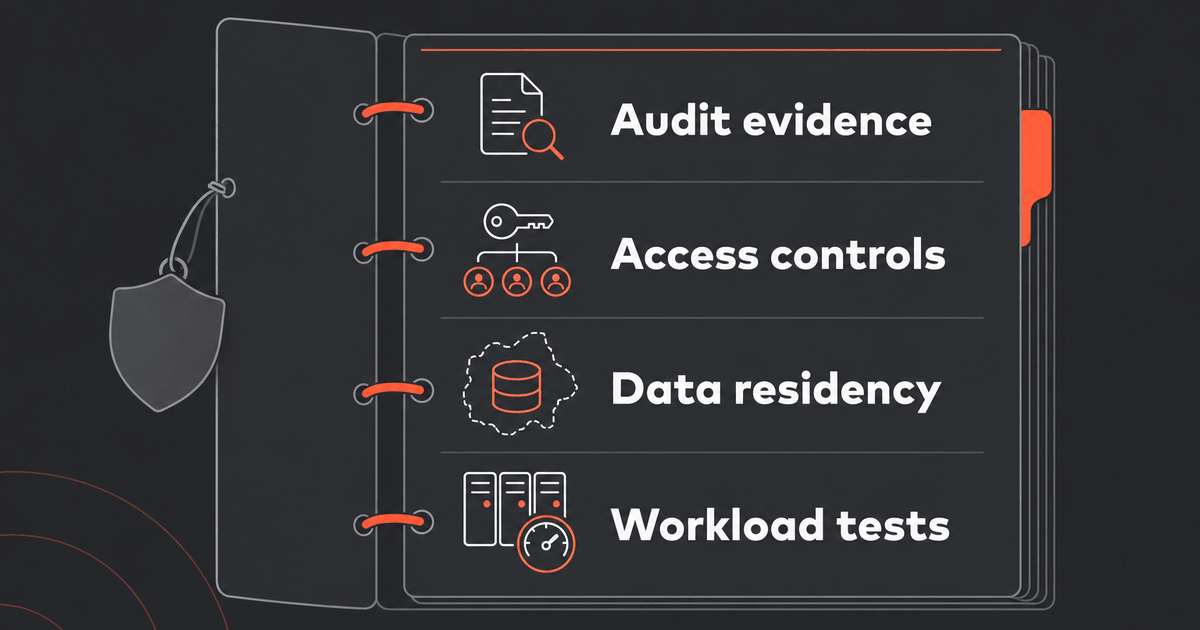
Before selecting a platform, assemble four artifacts:
- Operation map: The documented request or mutation for every required action.
- Permission map: The credentials allowed to perform each action.
- Recovery record: Evidence showing how an interrupted write and a missed event are resolved.
- Compatibility agreement: The change-notification and support commitments your team will rely on.
Our recommendation is to evaluate Bunny first when your problem is API access to B2B commercial workflows. Prefer Chargebee when REST is essential and its operation coverage fits; prefer Lago when self-hosting is essential; retain Stripe when no meaningful gap has been established.
Bring the operation map to a Bunny technical demo. Ask to see your hardest read, write and recovery path—not just a successful subscription creation.

Billing that handles your pricing model
Recurring, usage-based, tiered, banded or hybrid — Bunny bills it without a rebuild, and recognises the revenue automatically.