Finance isn't afraid of AI. It's afraid of numbers it can't trace.

How healthy is your quote-to-cash?
12 questions on pricing, renewals, billing and reporting. Takes two minutes.
Take the assessmentAsk a finance leader whether they trust AI and most will say yes. Ask whether they’re comfortable with how fast it’s arriving and the answer flips.
That’s the headline from AccountsIQ’s new AI Trust Paradox report. Censuswide surveyed over 1,000 senior finance decision-makers across the UK and Ireland, at companies with 20 to 500 employees, in July and August 2026. The results don’t describe a profession that’s scared of AI. They describe one that wants to see how it works before handing it the keys.
We think that’s exactly the right instinct. And we think billing is where it gets tested first.
The paradox in four numbers
- 81% trust AI-driven outputs fully or mostly. Fewer than 1% have no trust at all.
- 82% feel pressure to adopt AI faster than they’re comfortable with.
- 76% worry about becoming too reliant on AI for decisions that used to be theirs.
- 96% trust the accuracy of their financial data, yet 68% still make decisions without enough information.
Read together, these say something important. Finance doesn’t doubt its numbers, and it doesn’t really doubt the technology. The discomfort is about control: the point where AI stops summarising and starts deciding.
What finance actually asked for
The report asked what would need to be true before respondents were comfortable letting AI do more. None of the six must-haves asks for less AI. They asked for proof and oversight.
| What finance leaders want in place | Share of respondents |
|---|---|
| AI mistakes caught before they reach a report | 26.1% |
| A person approves entries before they post | 24.7% |
| Clear rules for labelling AI-assisted numbers | 24.6% |
| To be told how often AI gets things wrong | 23.9% |
| AI explains why it made each decision | 22.9% |
| An audit trail from any number back to its source | 22.1% |
Respondents could pick more than one. The spread is the interesting part: no single safeguard dominates. Finance wants the whole set, which is another way of saying it wants a system it can inspect.
Billing is where AI meets the ledger first
Most conversations about AI in finance focus on forecasting, reporting and close automation. But for software companies, AI is already reshaping something upstream of all of that: the revenue itself.
Three things are happening at once:
- Pricing is moving to usage and credits. AI features cost money every time they run, so vendors are shifting from seats to credits, metered usage and hybrid plans. Every invoice becomes a calculation.
- AI agents are starting to touch contracts. Agents can now draft quotes, propose renewals and adjust subscriptions through billing system APIs.
- The ledger is downstream of both. Whatever billing produces becomes receivables, revenue and cash in the general ledger.
If an AI agent applies the wrong uplift at renewal, or usage is metered against the wrong unit, the error doesn’t stay in billing. It flows straight into the numbers the CFO signs off. That’s the scenario the survey’s must-haves are really guarding against.
Build the trust into the plumbing
The six must-haves read like a feature request for an AI model. We’d argue most of them are really requirements for the systems around it. Error rates are on the AI vendor, but the other five map straight onto billing:
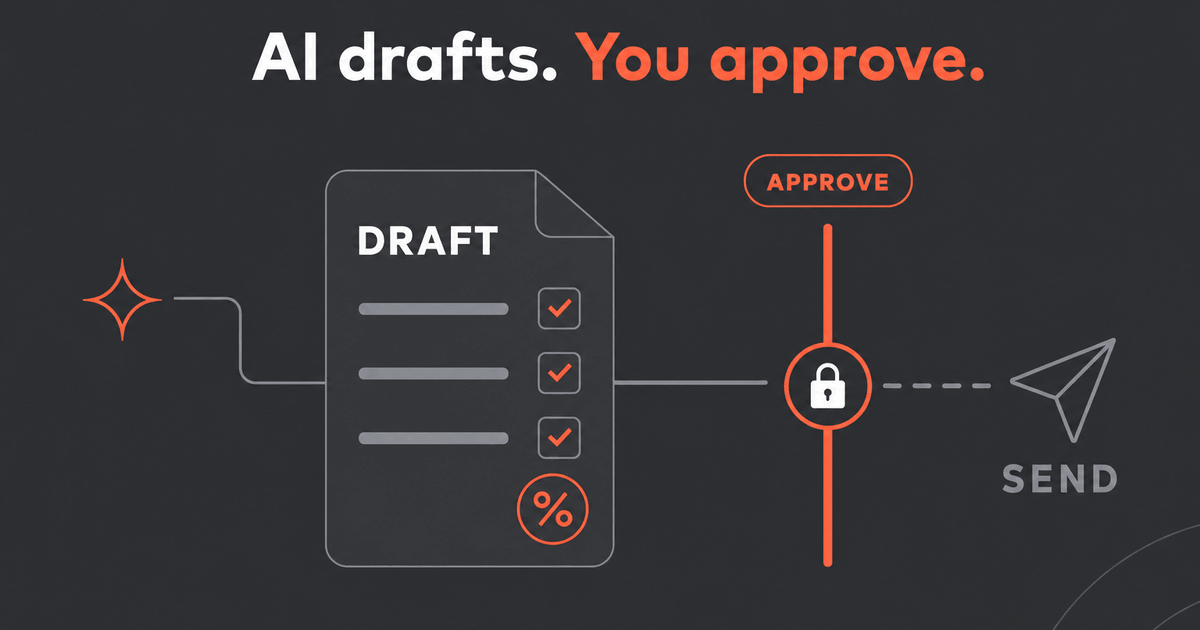
- A person approves before it posts. AI can draft a quote or a renewal, but changes should apply only after a human approves them. Invoices for sensitive accounts can be held as drafts for review before they go out.
- Catch mistakes before they reach a report. Exceptions should be routed to a queue, not discovered at month-end. Usage that arrives after its period has closed should be flagged, not silently dropped.
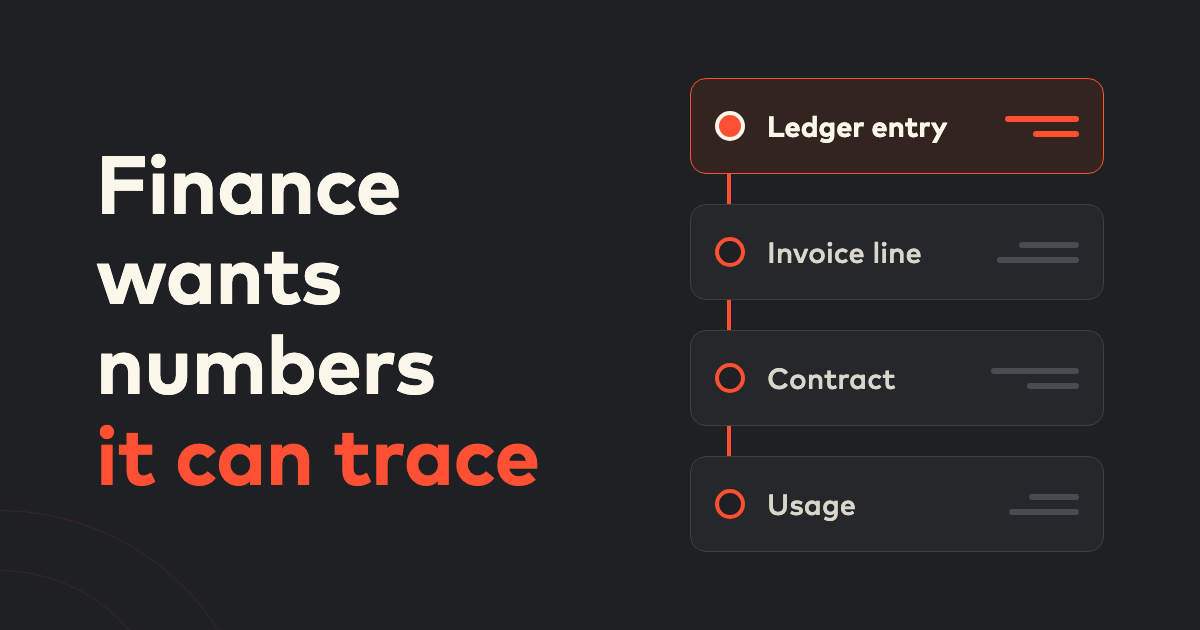
- An audit trail back to the source. Every number in the ledger should trace to an invoice line, then to the contract charge and usage records behind it.
- Label AI-assisted numbers. When agents work through the same quote and approval flow as people, every change has a record of what was proposed and who approved it.
- Explain each decision. A quote shows the price list, quantities and adjustments behind every line. That’s an explanation a controller can check in seconds.
None of this needs a smarter model. It needs a system of record that keeps AI inside guardrails finance can see.
Our own AI plays by the same rules
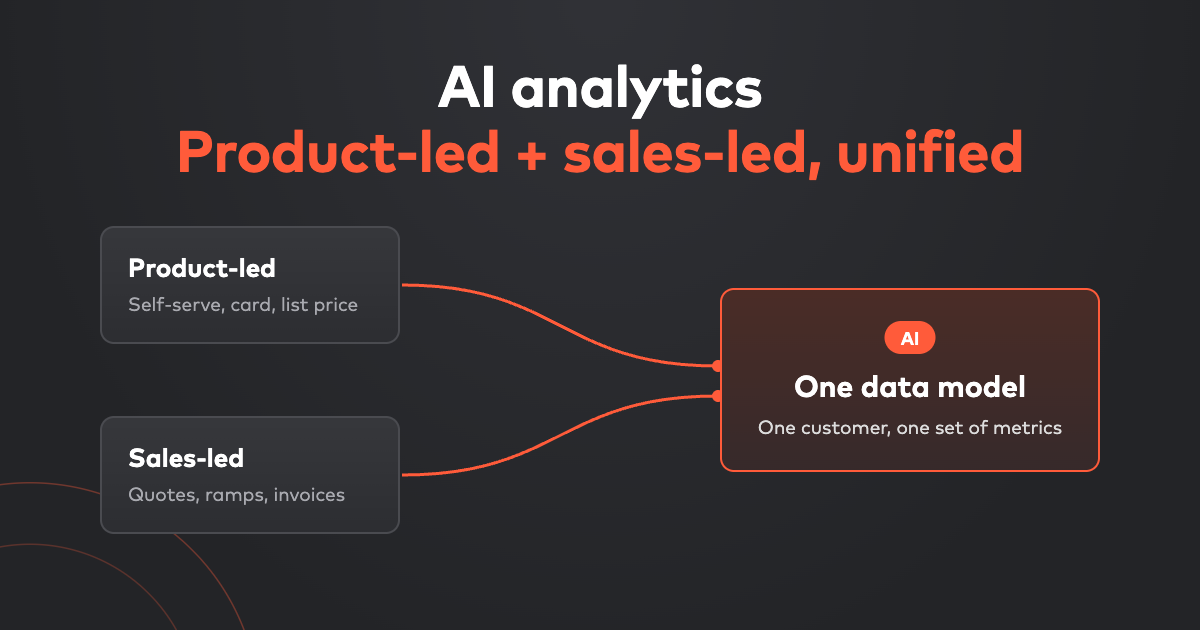
We hold Bunny’s AI to that standard too. Our RevOps Agent answers revenue questions and takes actions inside Bunny, in Slack, or from Claude and ChatGPT over MCP. It can flag at-risk renewals, chase overdue invoices and draft upgrades. But it works on your live billing records rather than a copy, and its subscription changes go through quotes, the same flow your team uses. When the agent proposes a renewal or an upgrade, finance can see exactly what it drafted and approve it before anything is invoiced.
AccountsIQ takes the same approach on the ledger side. AccountsIQ AI drafts the preparatory work, such as matching receipts and payments to open invoices, spreading prepayments and setting up fixed assets. Nothing posts until a person in finance has reviewed it, and every suggestion comes with its reasoning and an audit trail. AI does the drafting in both systems, and finance makes the calls.
Where Bunny and AccountsIQ fit
This is the thinking behind our AccountsIQ integration. AccountsIQ is the financial system of record for many multi-entity finance teams. Bunny holds the commercial side: quotes, subscriptions, usage and invoices.
When Bunny releases an invoice, it’s pushed to AccountsIQ automatically against the right entity, with the customer record created if it doesn’t exist. Bunny pulls the chart of accounts from AccountsIQ, so each charge is mapped to a revenue account before it ever posts. AI usage revenue can sit in its own account, separate from subscriptions and services. Any invoice that fails to sync lands on an exceptions list for retry.
So when someone asks where a revenue number came from, the answer is a click away: ledger entry, invoice line, contract, usage. That’s the audit trail the report’s respondents are asking for.
Own the pace
The first recommendation from the research is for finance to set its own AI timetable, and we agree. The 82% feeling rushed aren’t wrong to push back. Moving fast with AI in billing and finance is only safe when the controls arrive first.
The good news is that the controls aren’t exotic. Approvals, exception queues, mapped accounts and a clean handoff from billing to the ledger are things you can put in place now. Then, when you’re ready to let AI do more, you’ll be able to see exactly what it did.
Give finance a billing system it can audit. See how Bunny connects quotes, usage and invoices to AccountsIQ. Book a demo

The RevOps expert your team never had
Bunny's AI agent knows your entire book of business and acts on it — flagging at-risk renewals, chasing overdue invoices and closing upgrades.